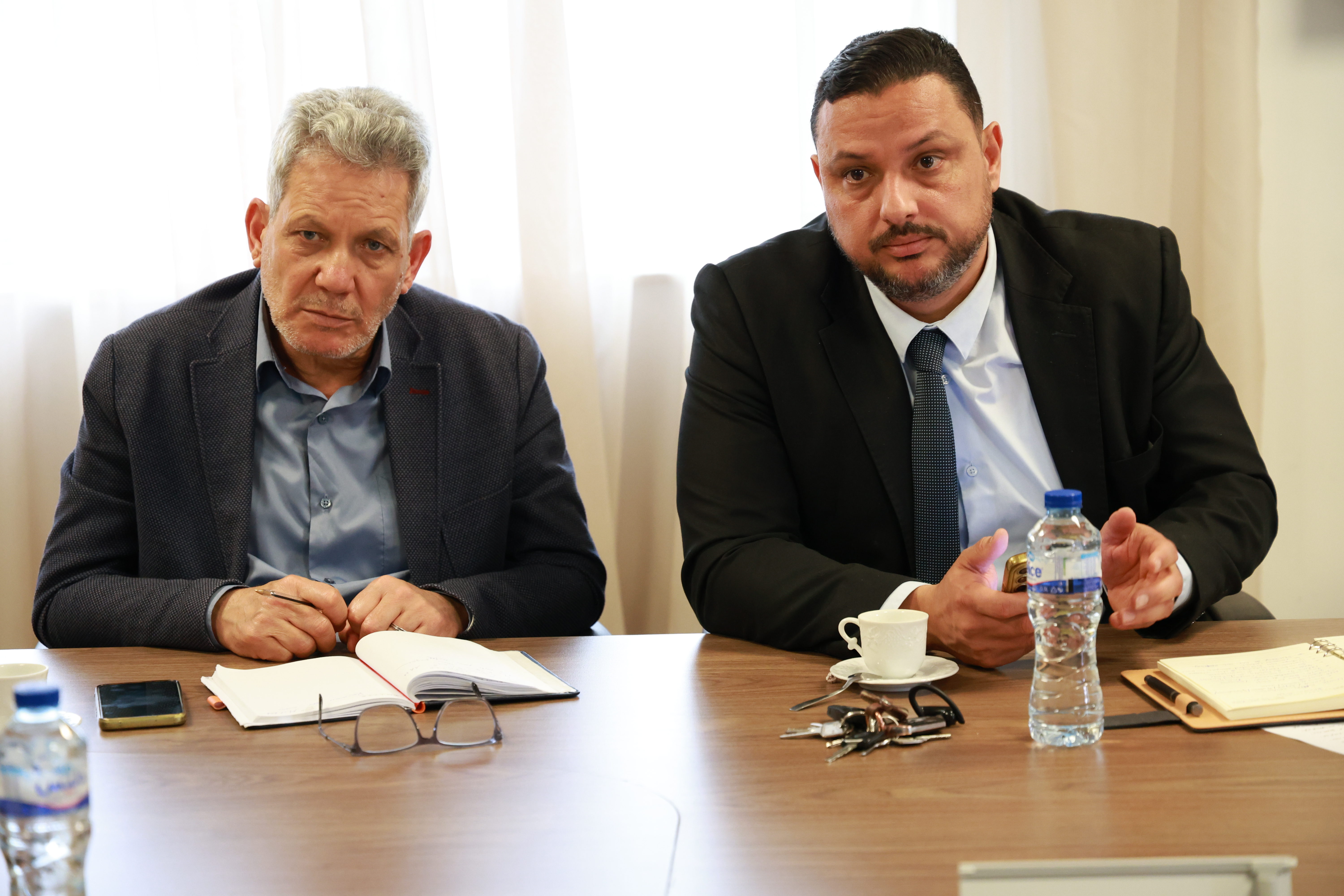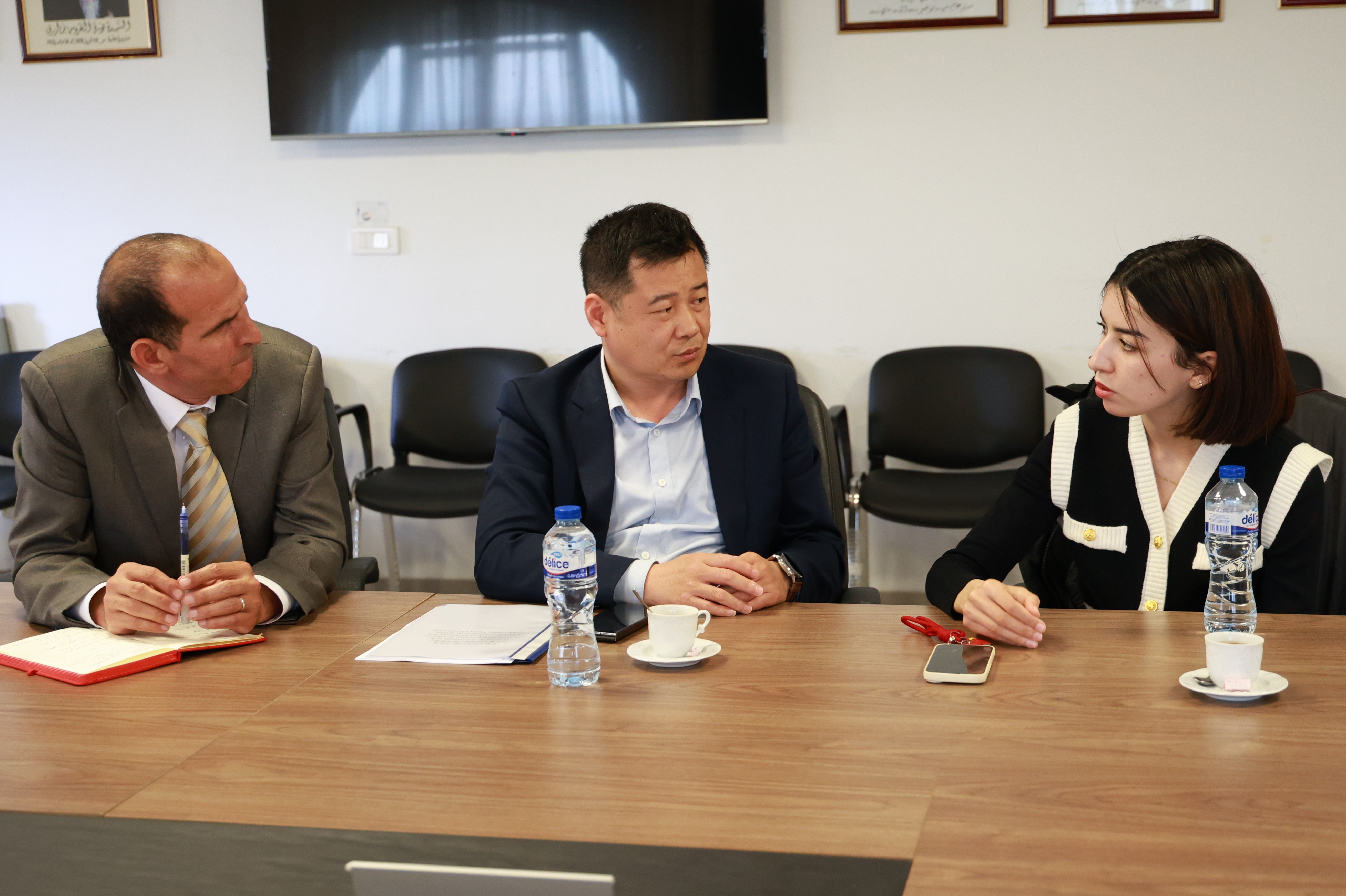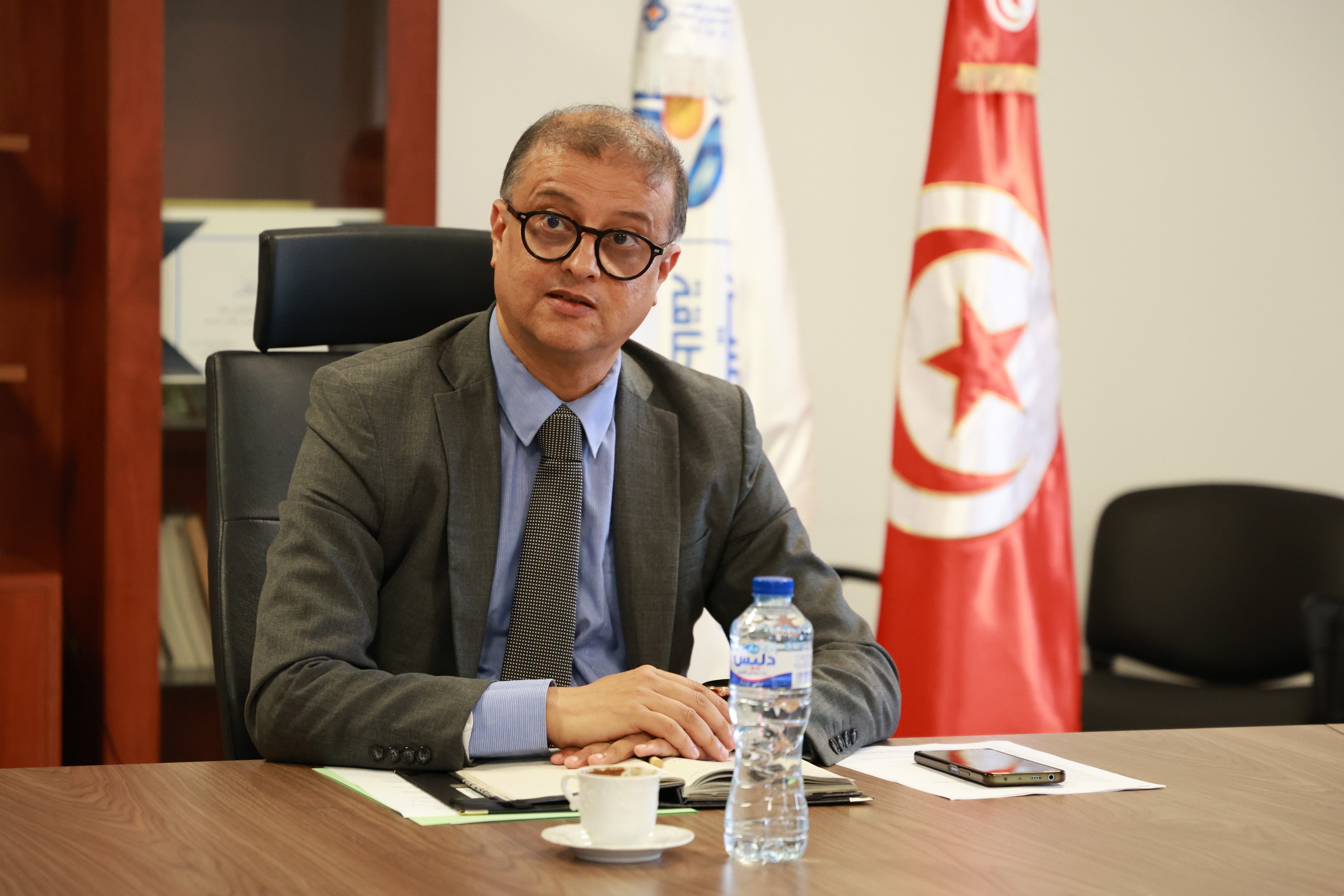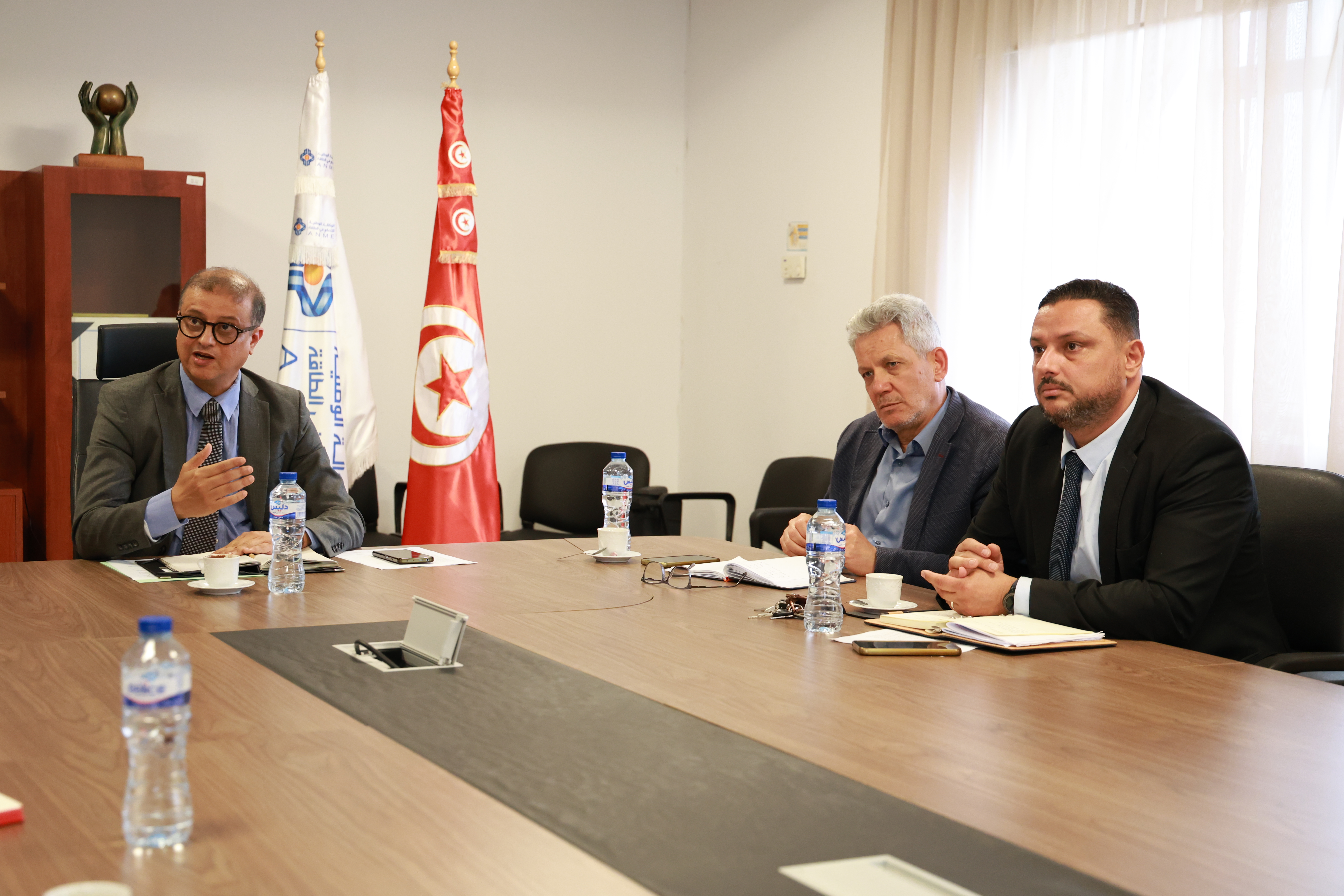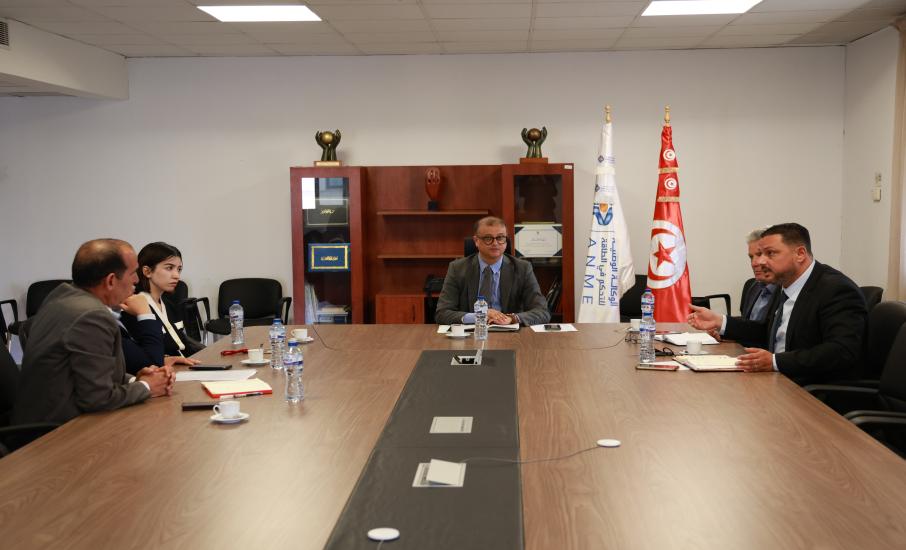
As part of efforts to support the energy transition and enhance energy efficiency in the industrial sector, a working meeting was held on Tuesday, April 14, 2026, at the headquarters of the National Agency for Energy Conservation, bringing together representatives of the Agency and executives of the Jebel Oust Cement Company (CJO). The meeting took place in the presence of Mr. Nafaâ Baccari, Director General of the Agency and Chairman and CEO of the Jebel Oust Cement Company, Mr. Mohamed Ali Saffi, Director of Energy Efficiency in the Industrial Sector, and Mr. Imed Andaloussi, Director of Wind Energy and Biomass.
This meeting was dedicated to reviewing the main areas of cooperation between the two parties, particularly in the fields of energy efficiency, renewable energy, and carbon emissions reduction. Several key topics were discussed, notably the Waste Heat Recovery project (WHR/ORC), which has successfully enabled the production of approximately 8 MW of electricity, covering around 30% of the plant’s energy needs, with support from the Agency through study financing, investment grants, and significant tax incentives.
This project has become a successful model, based on which a comprehensive study on energy auditing and carbon dioxide emissions has been launched, along with the preparation of a program to scale up this technology across the cement sector. Efforts are currently underway to mobilize the necessary funding.
The meeting also addressed the development of solar (photovoltaic) energy, for which a feasibility study has been completed with the Agency’s support, pending the transition to the investment phase.
Regarding energy auditing, a comprehensive audit of the plant has been completed and is currently under validation. It will help identify additional opportunities for optimizing energy consumption.
As for preparedness for the Carbon Border Adjustment Mechanism (CBAM), emphasis was placed on the importance of supporting industrial companies in complying with new European requirements, notably through the development of carbon footprints and strengthening competitiveness in international markets.
A pilot project on waste valorization through Refuse-Derived Fuel (RDF) was also presented, in partnership with the Agency and the National Waste Management Agency. This project aims to valorize 10,000 tons of textile waste to produce alternative fuel, contributing to the reduction of conventional energy consumption and generating environmental and economic benefits.
The results of this pilot project will serve as a basis for developing the regulatory framework governing this activity in Tunisia.
In addition, discussions highlighted the importance of integrating carbon capture and storage technologies in the cement sector, given their key role in reducing carbon emissions and meeting international environmental requirements.
In this context, it was emphasized that such projects could benefit from support under the Energy Transition Fund, through customs and tax incentives, as well as technical and economic assistance provided to industrial companies in preparing project studies.
Participants in the meeting stressed the importance of accelerating the implementation of energy projects by scaling up proven solutions across the sector, developing innovative approaches to reduce carbon emissions, promoting the use of renewable energy, and strengthening the competitiveness of Tunisian industry in light of global transformations. This reflects the commitment of all stakeholders to continue working together towards achieving an effective and sustainable energy transition in Tunisia.